Over the past few weeks, our school has held several safety drills. Texas requires public schools to hold monthly fire drills and at least one of every other type of drill per semester.
“We want to equip the students to be able to run the drills and take care of themselves in the event that something’s needed,” assistant principal Justin Cranfill said.
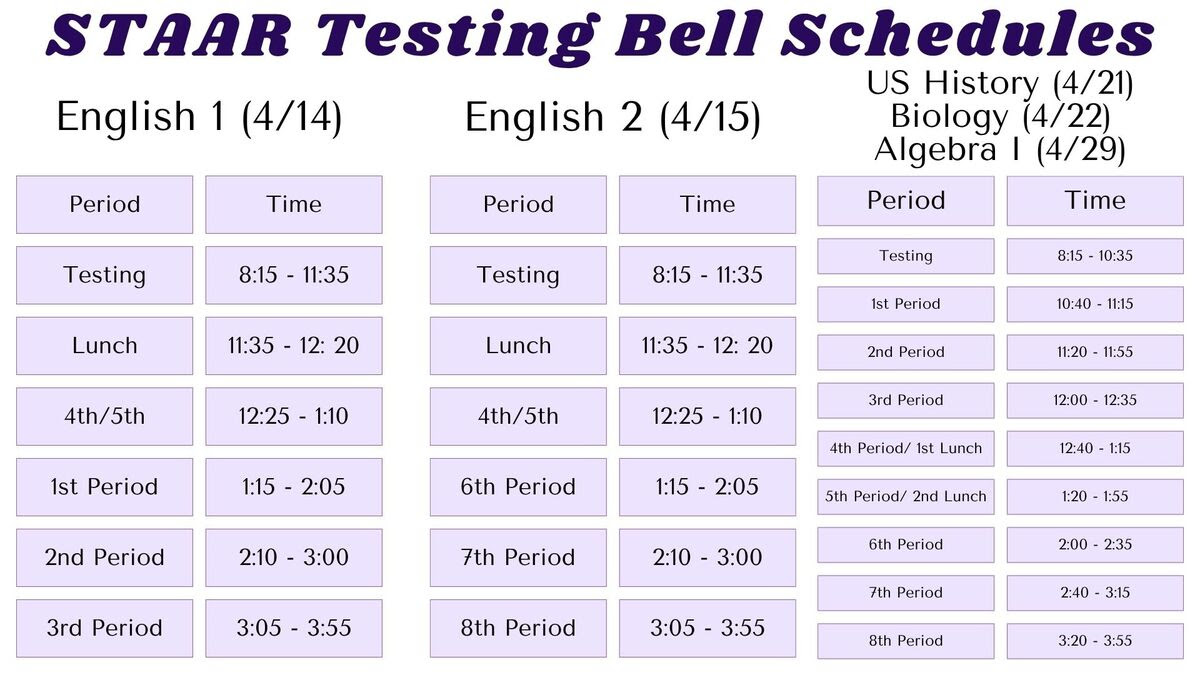
Because of spring break in March and testing throughout April and May, drills have a short window to be held in.
“Spring is very busy, and January and February are really our only months to get a bunch of things in,” Cranfill said. “I try to schedule drills for January and February, so that through March, April and May we’re free for any other things we need to do.”
Substitute teachers, who rotate between campuses and grade levels, receive general training from the district but aren’t always familiar with procedures specific to the schools.
“There are a lot of issues that we have within our drills, which come from substitutes being on campus,” Cranfill said. “That’s not the substitutes’ fault, it’s just that they don’t know. We want students to know how to do the drills on their own.”
In addition to ensuring that students are prepared, administrators have worked to improve communication with staff to optimize efficiency.
“Last year when we did our big shelter drill where we took everyone to the gym, I didn’t do a very good job explaining to all the staff members that you have to take a certain route,” Cranfill said. “This year I did that and we cut seven minutes off that drill total. It’s little things like that where we just learn from it and then we make small adjustments as we move forward.”
The administration meets to organize drills for the upcoming school year every July. They use them as an opportunity to refine procedures and improve student safety.
“We get together with all four administrators and talk about where it fits on our calendar, figure out where it fits with the police, then I have to look at campus events,” Cranfill said. “There’s a lot of planning that goes into it.”
While state law mandates the drills, their purpose extends beyond meeting those requirements. They are designed to ensure that staff and students are able to act quickly in emergencies.
“We drill, one, because the state tells us to, and two, to equip our teachers,” Cranfill said. “But mostly our students – so that they know what to do when something bad happens.”